
Roseburg City Directory Volumes
Roseburg's directory record is a list of documented publications, not one complete shelf in a single building. The National Park Service bibliography names a 1909-1910 No. 1 volume, a 1921-1922 Sun Printing volume, and a 1938 Pacific Directory Company edition. Salisbury editions appear for 1946, 1948, 1950, and 1954-55. A City historic-district document separately cites Salisbury directories for 1946, 1950, and 1955. So the years are known. The gaps between them are less certain. Ask a repository about the exact year and edition you want instead of assuming every volume survived.
| Roseburg collection | Documented years | Keeper or citation | Access route |
|---|---|---|---|
| Roseburg City Directory, No. 1 | 1909-1910 | Roseburg publication cited by NPS | Ask GSDC, Roseburg Library, or historical repositories for the edition. |
| Roseburg City Directory | 1921-1922 | Sun Printing Co., cited by NPS | Request both surname and street sections if held. |
| Roseburg City Directory | 1938 | Pacific Directory Company, cited by NPS | Verify the copy and page before using an entry. |
| Salisbury Roseburg directories | 1946, 1948, 1950, 1954-55 | T. W. Salisbury & Co., cited by NPS | Ask whether alphabetical and criss-cross portions are present. |
| Umpqua Trapper | 1964-present; index reported 1965-2022 | Douglas County Historical Society and library index | Use as a local-history lead, not as a resident directory. |
Those publication years are verified, but a verified year is not a full local run. When you ask a librarian or curator to pull a specific volume, the City of Roseburg historic-district record and the National Park Service bibliography are the references to cite. The Douglas County Historical Society gives a good first look at the local-history institution that surrounds many Roseburg directory materials.
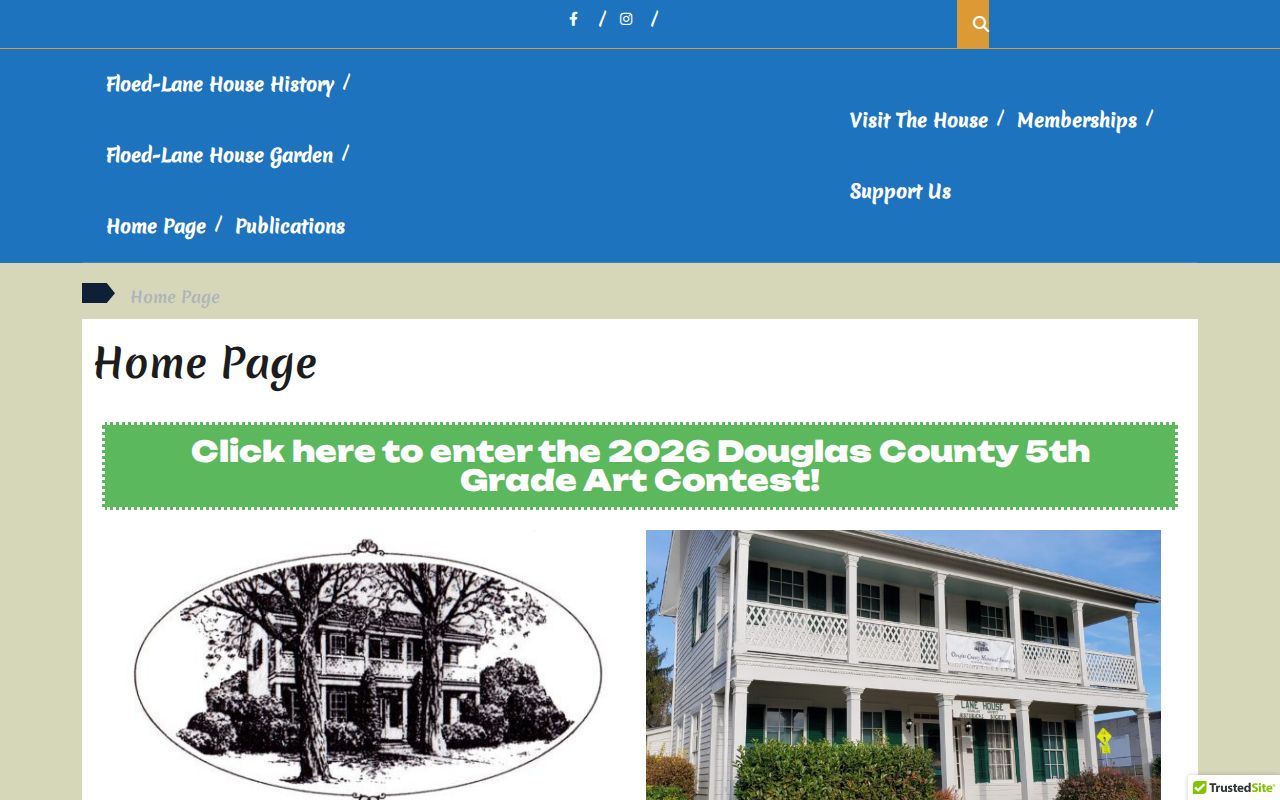
Treat the society as context and a referral point. Any volume still has to be inspected in person before its entries, abbreviations, or street sections can be called present.
Roseburg City Directory Yearmarks
A handful of dated volumes anchor the Roseburg city directory timeline. Gaps sit between them, though, and some gaps are wide. Citations point to Roseburg directories for 1909-1910, 1921-1922, and 1938, plus the Salisbury years. So a dated association is possible at those points. For any year not covered, a city directory alone will not carry the story forward. The federal rolls help fill part of that space. State Archives microfilm covers local census returns for 1850, 1860, 1870, 1880, 1900, and 1910. That gives the earlier directories a household record to check against.
- 1909-1910: the NPS bibliography records the No. 1 Roseburg volume.
- 1921-1922: Sun Printing appears in the documented Roseburg sequence.
- 1938: Pacific Directory Company issued the cited edition.
- 1946 through 1954-55: the cited Salisbury years include 1946, 1948, 1950, and 1954-55.
- 1964 onward: Umpqua Trapper adds local-history material, but it is not a substitute for a city directory.
Sanborn maps earn a place on this timeline for one reason: buildings. Roseburg editions appear in the City sources for 1884, 1886, 1895, 1912, and 1920. The NPS sources list them as well. The State Archives inventory adds a local reel spanning roughly 1888 through 1930. A map can fix a structure or a block on the ground. But it will not name the past residents who lived there, so pair it with a street directory or resident record rather than treating it as one.
Roseburg City Directory Repositories
For local genealogy, the Genealogical Society of Douglas County, or GSDC, is the most direct stop. Its volunteer library occupies Room 105B of the Douglas County Courthouse, reached from Main Street. Normal volunteer hours run 1 to 4 p.m. Wednesday through Friday. Appointments are welcome when possible, and the phone number is 541-440-6178. The reported collection holds more than 3,700 titles. Over 700 of them are Douglas County titles. The society also keeps a Family Tree Maker database of more than 80,000 county-related names, places, dates, and sources. Hours and access change, so confirm before a visit. GSDC’s library information covers its holdings, schedule, and contact route.
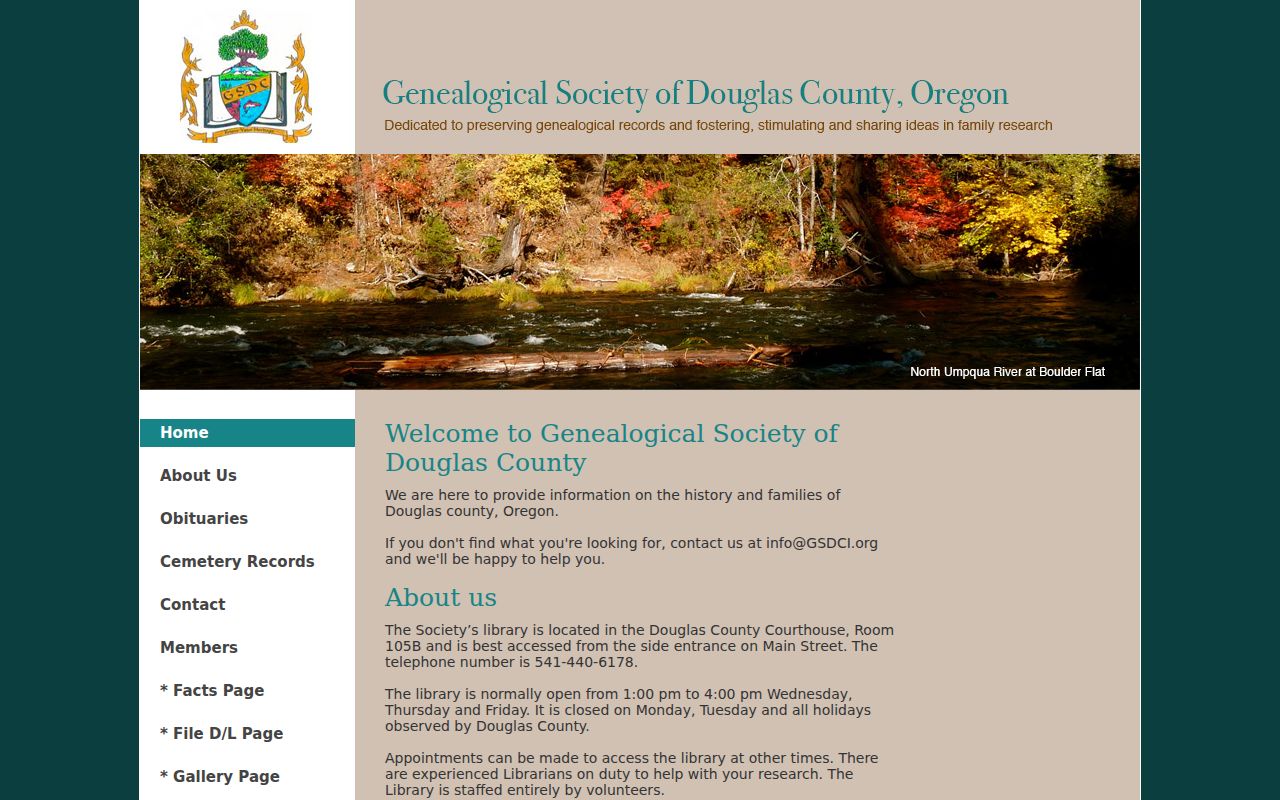
Keep the roles straight inside the courthouse. GSDC is an independent volunteer research library, not the Clerk recording counter. Certified copies go to the County Archive or Clerk instead. GSDC is the place for genealogy help, name variants, and leads into historical collections. The fallback chain widens from there. Roseburg Library holds the reported Umpqua Trapper index. The Historical Society offers publications and a curator contact. For original series, turn to the Douglas County Archive or the Oregon State Archives inventory. The Archive takes requests by call, visit, written mail, and paid phone search. One limit matters. The Clerk Recording Division does not perform genealogical research by email or phone. Route those requests to Archives. Include a document type, name, date range, and any known book, page, or instrument number. Note: Reported public-library genealogy access is dated, so confirm with the library before relying on a specific volume or database.
Reading Roseburg City Directory Entries
Roseburg's older city directory pages are not freely digitized. That gap shapes what any resident lookup can promise. No edition prints a uniform set of fields. Some show an owner mark, a spouse notation, or a telephone number, while others omit them, and abbreviations shift from one publisher to the next. Begin with the volume's own key, photographing or transcribing it before anything else. Then record exactly what the entry prints: the name form, any spouse notation, occupation or employer, residential address, business address, telephone, and any "see" cross-reference.
| Exact name form | Copy surname, given name, initials, and spelling as printed before normalizing it for a later search. |
|---|---|
| Household clues | Record spouse wording only if the specific edition prints it. |
| Work or business line | Transcribe occupation, employer, and business address only when they appear. |
| Residence line | Capture the complete street address, then compare it with the volume’s own street section if one exists. |
| Cross-reference or key | Keep “see” references and the edition’s abbreviation key with the page citation. |
- Criss-cross directory
- A street-order section that may list an address, occupant, or business. Its presence must be checked in the individual volume.
- Householder index
- An alphabetical index focused on heads of households or listed residents, when an edition provides one.
- Abbreviation key
- The publisher’s explanation of shortened terms. Meanings can vary by year and publisher, so do not expand a mark from memory.
Street sections reward the same care. Record the street name, number or block, and occupant. Add any ward or route notation, and remember that a Roseburg listing is dated evidence of a printed entry, not proof of ownership, kinship, or continued residence.
Roseburg City Directories and Census
A Roseburg city directory works best alongside a census and a second county record. The State Archives inventory lists Douglas County federal census microfilm for 1850, 1860, 1870, 1880, 1900, and 1910. The same inventory names several access channels. Courthouse archive storage, the Clerk vault and microfilm rooms, the County Museum, the Oregon State Archives, the Oregon Historical Society, and FamilySearch digitizations each offer their own path into the material. They are separate custodians, not competing claims about what a web search turns up.
For mid-century households, Historic Oregon Newspapers carries searchable page images of the News-Review sequence starting in 1948. An obituary, social notice, or business mention can point toward a directory entry. Confirm it, though. The directory, an archive record, or another custodian source should back up the match.
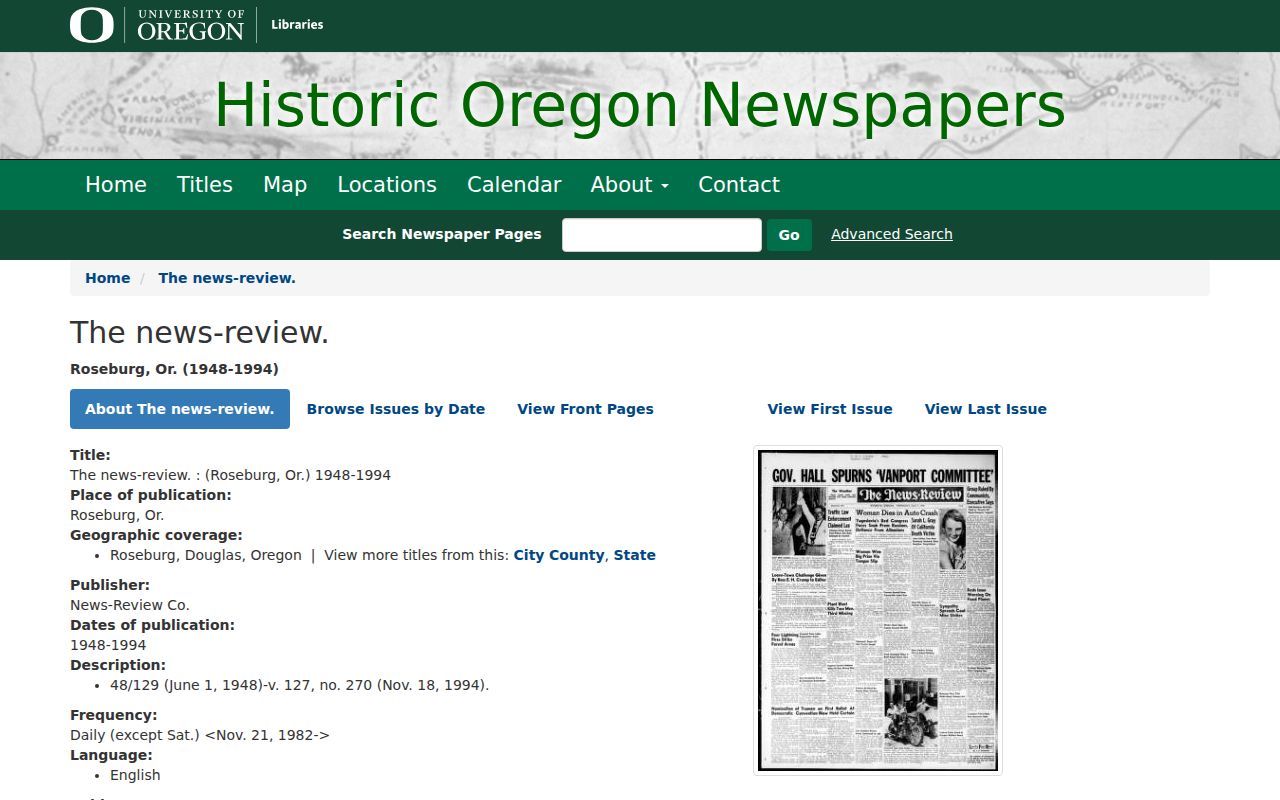
Newspaper images pair well with specific Roseburg directory years. A household that shifts address, occupation, or name spelling between editions often leaves a dated trace in the paper that the directory alone cannot show.
Trace Roseburg City Directory Households
Start with the year closest to a known Roseburg event. Copy the printed name exactly as it appears. Note the initials, occupation, address, and page number too. Then search that same form in the volumes just before and after. Try sensible variants as well. Keep a short log of year, name form, address, occupation, and page for each check. The log keeps a plausible match from quietly hardening into a family conclusion.
- Locate the surname in the nearest documented Roseburg city directory and copy the entry exactly.
- Compare earlier and later documented directory years, noting changes in spelling, address, and occupation.
- Inspect the street or criss-cross section only if the volume actually contains one, then record its wording.
- Pair 1909-1910, 1921-1922, 1938, and the Salisbury years with the closest available federal census.
- Use direct and indirect deed indexes, probate files, marriage records, newspapers, cemetery research, or maps to test a move or disappearance.
A person can vanish from an edition for many reasons. Moving, death, a changed printed name, or simple omission all look the same on the page. Absence from one volume is not evidence of absence. When an address question turns current and parcel-based, the Roseburg street directory covers the assessor, GIS, and recorded-property side instead.
Roseburg’s Umpqua Trapper Bridge
The Douglas County Historical Society has published Umpqua Trapper without interruption since 1964. It reports more than 225 issues plus an index running through 2023. The Society also publishes or holds Historic Douglas County, Oregon, a nearly 400-page gathering of historic-home, structure, and pioneer-family material. Roseburg Library reportedly keeps a Umpqua Trapper index covering 1965 to 2022. Together these resources can tie a directory address to a family, a building, or an institution. They are local-history material, though, not a current-household list.
The Historical Society publications page names the Umpqua Trapper and the related local-history titles.
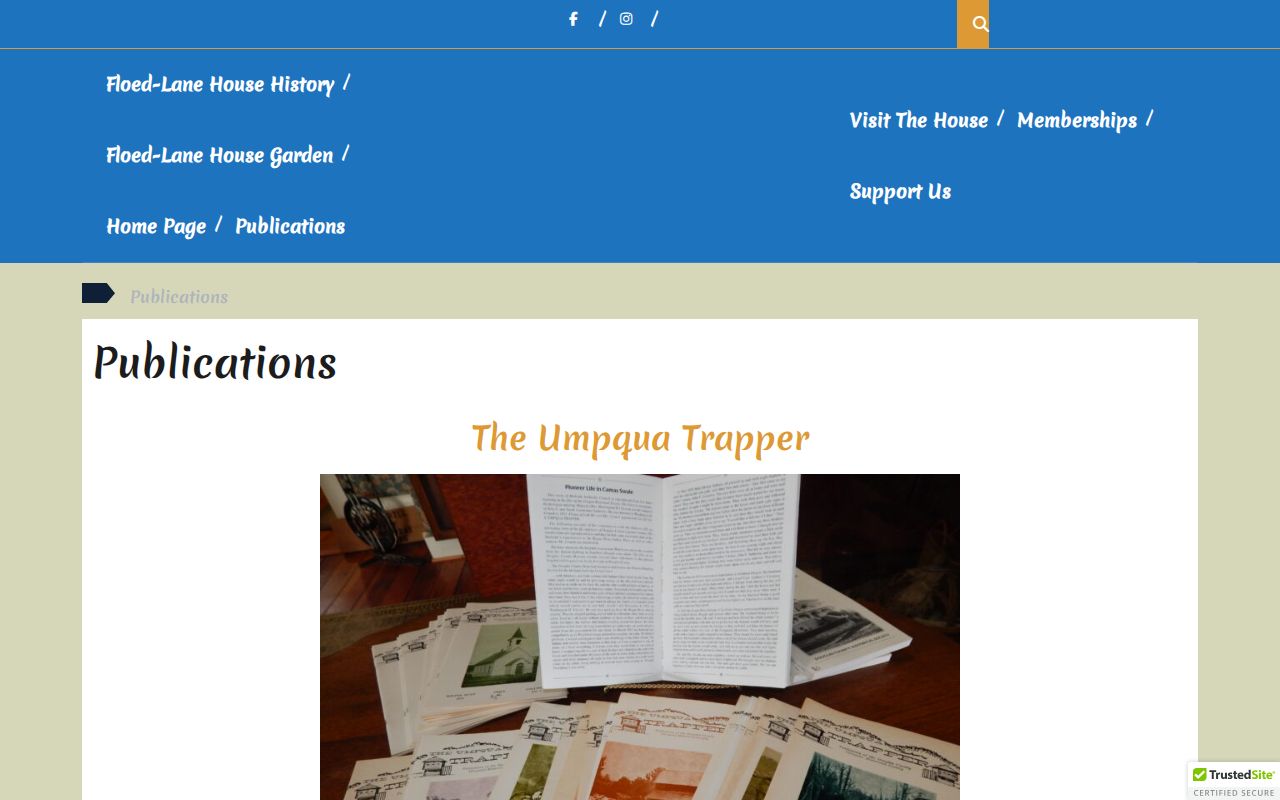
Let the index lead you to an article or building reference. Then go back to the volume, archive, newspaper, or deed record that can actually support the historical claim.
Roseburg City Directory Gaps
A missing Roseburg directory year is not a dead end. Douglas County archival series often fill the gap. The County Archive holds deeds and marriages from 1853 forward. It holds naturalizations from 1859 to 1975. It also holds probate cases from 1853 to 1982. The State Archives inventory adds FamilySearch images of deed indexes from 1852 to 1941. It adds deed books from 1853 to 1921. It adds probate files from 1852 to 1963. A probate card index from 1852 to 1955 is included too. Each series answers a different question than a residents directory. A deed names recorded parties and land. A census captures a household on one enumeration date. Probate may surface heirs or an estate representative.
Send the Archive a precise request. Give the record type and the person or property name. Include the date span and any known reference number. For research before Douglas County absorbed Umpqua County in 1862, jurisdiction matters too. Earlier records can sit in the predecessor county's files. Aim for a sourced sequence rather than one unbroken story.
Note: County Archive staff can quote search or copy charges. The Recording Division routes genealogy research requests to Archives rather than handling them by email or phone.